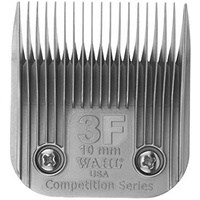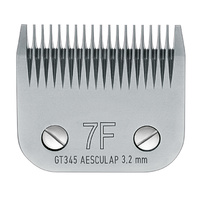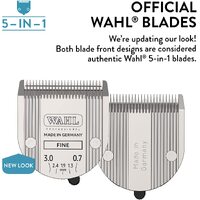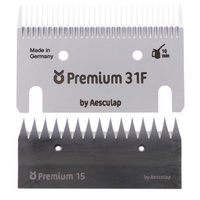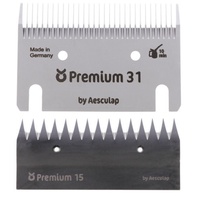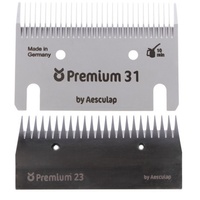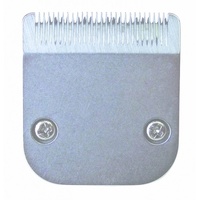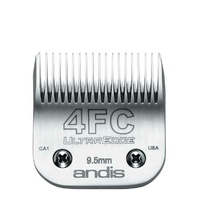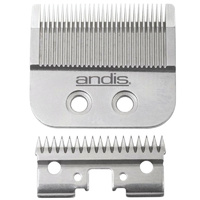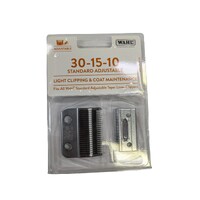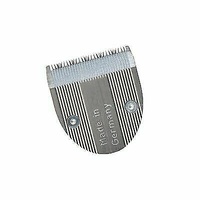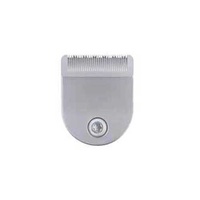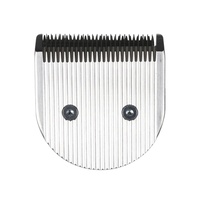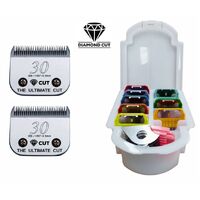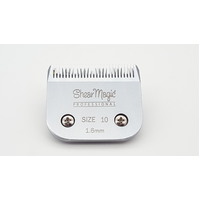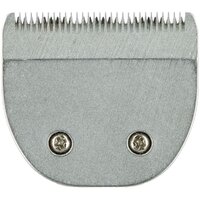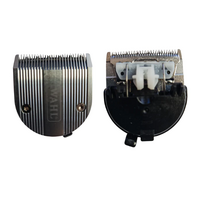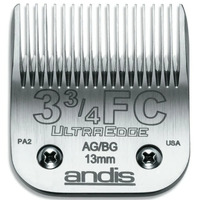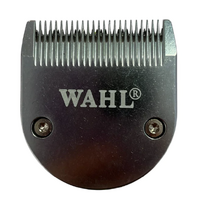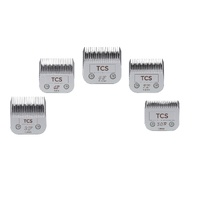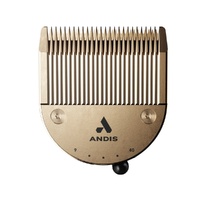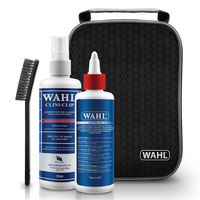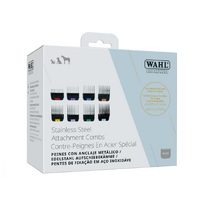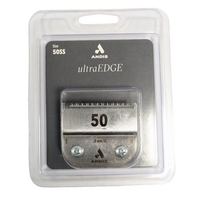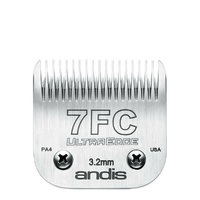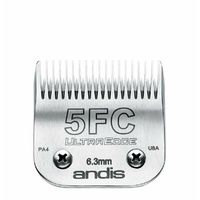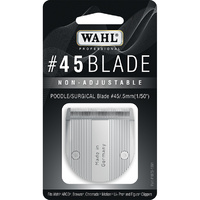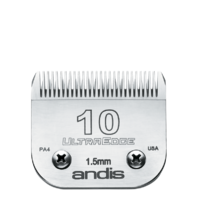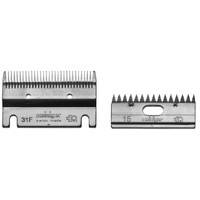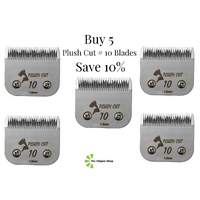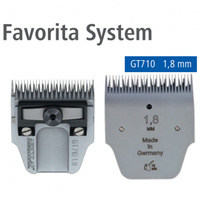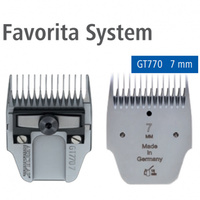
If you don’t settle for anything but the best grooming items for your beloved pet, you should browse our range of high-quality yet affordable Diamond Cut clipper blades. At The Clipper Shop, we’re the only store you need to protect your dog’s coat and minimise the risk of infections and injuries. Keep reading below to learn more about the advantages of our clipper blades and find out why we shine out against the competition.
Here are three good reasons why you should use Diamond Cut pet clipper blades.
Here’s how we’ve quickly established an excellent reputation for being the one-stop-shop for Diamond Cut dog clipper blades:
Did you know that professional pet clipper blades are not breed specific and should be able to cut all types of dog, cat, rabbit or horse hair? Don't be fooled by other vendors who claim that you need to buy a specific brand of dog clipper blade suited to your pet's breed.
Professional pet clipper blades should last a long time and give you many years of good service provided you maintain them and look after them accordingly. Ensuring you thoroughly wash and dry your pet's coat before clipping as well as oiling your blades at least every 10 - 15 minutes during clipping helps extend the life of your dog clipper blades considerably. Taking these precautions helps let your dog clipper blades run cooler and maintain a sharp edge for longer. Professional Pet clipper blades will inevitably go blunt, and when they do, it is important that you have them resharpened by a professional and experienced blade sharpener like those at The Clipper Shop. At The Clipper Shop, we have over 30 years experience when it comes to properly sharpening dog clipper blades and we only use factory calibrated machinery to restore dog clipper blades to their original specification.
If you're not sure whether your dog clipper blades can be resharpened, feel free to give us a call on 03 9131 4450 or contact us here.
Here at The Clipper Shop we also strongly believe in offering our customers choice and variety, especially when it comes to Dog Clipper Blades. That's why we also stock and carry other brands such as Wahl, Andis, Aesculap and Shear Magic.
At The Clipper Shop, we exist to supply Australian dog owners and groomers with Professional pet products at low prices with exceptionally high quality. We guarantee fast turnaround times and back all the products we sell 100%. We continually invest in our selection of clippers to remain at the forefront of our industry. Call us today for advice or to order over the phone.
Animal clipper blades come in a range of sizes and designs, each suited to a particular coat type, grooming style, or level of detail. Understanding these differences is essential for achieving a clean, safe, and professional result—whether you're grooming pets at home or working in a professional setting.
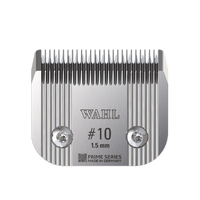
The most common way blades are categorized is by their number. Interestingly, the higher the blade number, the shorter the cut. For example, a #10 blade is one of the most widely used and leaves the coat quite short—around 1.5 mm. It’s often considered a standard “sanitary” blade, used for areas like the face, feet, and hygiene trims on dogs, as well as for veterinary prep work. It’s also a safe choice for beginners because it reduces the risk of snagging or cutting loose skin.
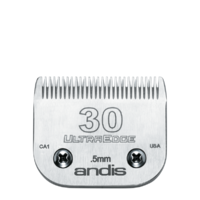
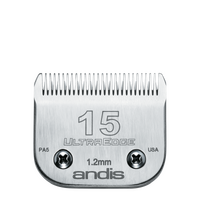
Shorter blades like #15 and #30 cut even closer to the skin. These are typically used for very fine work, such as surgical preparation or extremely close grooming in small, delicate areas. However, they require a steady hand and experience, as they can irritate the skin if used improperly or for extended periods.
On the other end of the spectrum are blades like #4, #5, and #7, which leave more length on the coat. A #7 blade, for instance, leaves about 3 mm of hair and is commonly used for short pet trims that still provide a bit of coverage. A #4 blade leaves a longer, softer finish—around 9 mm—and is popular for maintaining a fluffy but manageable look, especially on breeds with thicker coats.
For even longer styles, groomers often use clipper blades in combination with attachment combs (also called guide combs). These combs snap over a shorter blade—usually a #10 or #30—and allow for a more customized length while maintaining a smooth, even finish. They’re ideal for achieving teddy-bear cuts or leaving coats longer without the unevenness that can come from scissoring alone.
There are also specialized blade types designed for specific purposes. Skip-tooth blades, for example, have alternating long and short teeth. These are particularly useful for cutting through thick, matted, or double coats, as the wider spacing helps feed more hair into the blade. However, they can leave a less even finish and are usually followed up with a finishing blade for a smoother result.
Finishing blades, by contrast, have evenly spaced teeth and are designed to create a clean, polished look. They’re best used on coats that are already detangled and prepped. Using a finishing blade on a dirty or matted coat can dull the blade quickly and produce an uneven cut.
Blade material and maintenance also play a role in performance. Most blades are made from high-carbon steel or ceramic, and they require regular cleaning, oiling, and cooling during use. A hot blade can cause discomfort or even burns, so many groomers rotate between blades or use cooling sprays.
Ultimately, choosing the right blade depends on the animal’s coat type, the desired style, and the groomer’s level of experience. Using the correct blade not only improves the final appearance but also ensures the comfort and safety of the animal throughout the grooming process.
Animal clipper blades are one of the most important tools in grooming, affecting coat length, finish quality, grooming speed, and the comfort of the animal. Whether used for dogs, horses, cattle, sheep, or veterinary work, clipper blades come in a wide variety of sizes and materials, each designed for specific applications.
Understanding Clipper Blade Sizes
Clipper blade sizes determine how much hair remains after clipping. In most professional animal grooming systems, the higher the blade number, the shorter the cut. Lower numbers leave more coat behind.
Common Blade Sizes and Their Uses
The “F” designation stands for “finish” or “full tooth,” meaning the blade produces a smoother, more even finish. Skip-tooth blades, by contrast, have alternating long and short teeth designed to feed thick or matted coats into the blade more effectively.
Types of Clipper Blades
Full-Tooth Blades
Full-tooth blades have evenly spaced teeth and provide a smooth finish. These are preferred for final grooming passes and show preparation.
Skip-Tooth Blades
Skip-tooth blades feature wider tooth spacing and are ideal for thick, dirty, or matted coats because they pull hair into the cutter more efficiently. However, they require greater skill to use safely because the exposed teeth can more easily catch skin folds.
Wide Blades
Wide blades are physically broader than standard blades and are commonly used in horse and livestock grooming where large body areas need to be clipped quickly.
Surgical and Precision Blades
Fine blades such as #30, #40, and #50 are designed for veterinary, surgical, and precision grooming work where an extremely close cut is required.
Stainless Steel vs Sintered Metal Clipper Blades
Modern clipper blades are commonly manufactured from either stainless steel or sintered metal alloys. Each material offers distinct advantages and disadvantages in performance, durability, maintenance, and sharpening.
Stainless Steel Clipper Blades
Stainless steel blades are produced from solid steel alloys that are machined, heat-treated, and ground to precise tolerances.
Advantages of Stainless Steel Blades
Corrosion Resistance
Stainless steel resists rust and staining far better than conventional carbon steel. This is particularly valuable in grooming environments where blades are exposed to moisture, disinfectants, shampoos, and animal dander.
Easier Sharpening
One of the greatest advantages of stainless steel blades is their relative ease of sharpening. Traditional sharpening equipment such as lapping wheels or grinding systems can restore the cutting edge efficiently with predictable results.
Toughness
Stainless steel blades generally tolerate impact and flexing better than more brittle materials. This makes them suitable for high-volume grooming environments.
Lower Cost
They are usually less expensive to manufacture and replace compared with premium sintered or ceramic-enhanced blades.
Disadvantages of Stainless Steel Blades
Faster Wear
Although durable, stainless steel cutting edges tend to dull faster than harder sintered alloys, especially when clipping dirty coats or abrasive hair types.
Heat Generation
Stainless steel blades can become hot during prolonged use due to friction. Excessive heat may discomfort the animal and require blade coolant or rotation between multiple blades.
Sintered Metal Clipper Blades
Sintered blades are manufactured using powdered metal technology. Fine metal powders are compressed into shape and heated below their melting point so the particles bond together. Many sintered blades incorporate extremely hard materials and advanced alloy compositions.
Advantages of Sintered Metal Blades
Superior Hardness
Sintered blades are typically much harder than conventional stainless steel blades. This hardness allows the cutting edge to remain sharp significantly longer.
Extended Edge Retention
Because of their wear resistance, sintered blades can maintain cutting performance through extended grooming sessions and heavy commercial use.
Reduced Friction
Some sintered alloys operate with lower friction, helping reduce heat buildup during clipping.
Precision Manufacturing
Powder metallurgy allows highly consistent manufacturing tolerances and uniform material properties.
Disadvantages of Sintered Metal Blades
Brittleness
The increased hardness of sintered alloys often comes with increased brittleness. If dropped or mishandled, these blades may chip or fracture more easily than stainless steel blades.
Sharpening Difficulty
The greatest challenge with sintered metal blades is sharpening.
Challenges of Sharpening Sintered Metal Clipper Blades
Sharpening sintered blades is substantially more difficult than sharpening traditional stainless steel blades because the material is much harder and more abrasive-resistant.
Increased Abrasive Requirements
Standard sharpening wheels and abrasives often struggle to cut effectively into sintered alloys. Diamond abrasives or specialized grinding media are frequently required.
Slower Sharpening Process
The hardness of sintered metal means material removal occurs much more slowly. This increases sharpening time and labour costs.
Risk of Surface Damage
Improper sharpening techniques can damage the blade surface, alter tolerances, or create micro-chipping along the cutting edge. Because clipper blades rely on extremely precise mating surfaces, even small imperfections can reduce cutting performance.
Heat Sensitivity During Grinding
Although sintered blades resist operational heat well, excessive localized heat during sharpening may damage the blade structure or compromise edge integrity. Careful cooling and controlled grinding pressure are essential.
Equipment Limitations
Many traditional clipper blade sharpening systems were designed around conventional steel blades. Sharpeners may require upgraded machinery, diamond lapping discs, or modified techniques to properly service sintered blades.
Higher Skill Requirement
Sharpening sintered blades demands greater technical expertise. The operator must maintain exact flatness, tooth geometry, and cutting angles while avoiding excessive material removal.
Choosing Between Stainless Steel and Sintered Blades
The choice between stainless steel and sintered metal blades depends largely on the grooming environment and user priorities.
Professional groomers who clip large volumes of animals may value the long-lasting performance of sintered blades despite the higher sharpening complexity. Smaller grooming businesses and home users often prefer stainless steel blades for their lower maintenance costs and easier servicing.
Ultimately, both blade types have an important place in modern animal grooming, and understanding their properties helps groomers select the best blade for efficiency, coat quality, and long-term operating costs.

20% OFF
RRP $307.00
Make 4 interest-free payments of $61.40 fortnightly and receive your order now.
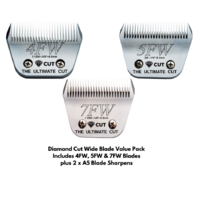
13% OFF
RRP $228.30
Make 4 interest-free payments of $49.75 fortnightly and receive your order now.
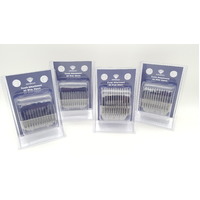
17% OFF
RRP $183.50
Make 4 interest-free payments of $37.88 fortnightly and receive your order now.
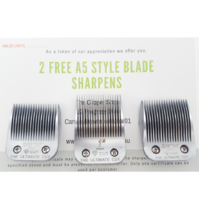
11% OFF
RRP $304.55
Make 4 interest-free payments of $67.64 fortnightly and receive your order now.
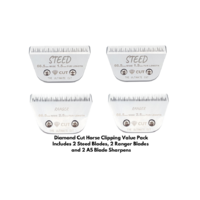
17% OFF
RRP $286.60
Make 4 interest-free payments of $59.15 fortnightly and receive your order now.
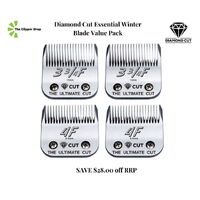
11% OFF
RRP $272.60
Make 4 interest-free payments of $60.65 fortnightly and receive your order now.
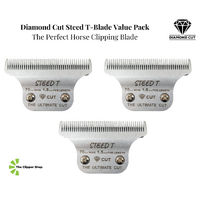
10% OFF
RRP $220.20
Make 4 interest-free payments of $49.80 fortnightly and receive your order now.
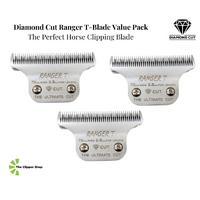
10% OFF
RRP $220.20
Make 4 interest-free payments of $49.80 fortnightly and receive your order now.
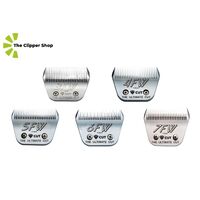
7% OFF
RRP $417.05
Make 4 interest-free payments of $96.76 fortnightly and receive your order now.
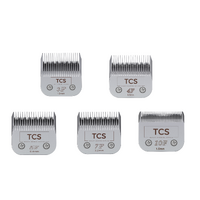
16% OFF
RRP $396.55
Make 4 interest-free payments of $83.72 fortnightly and receive your order now.
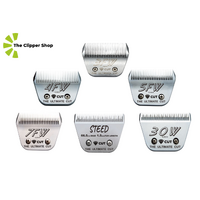
8% OFF
RRP $481.90
Make 4 interest-free payments of $110.47 fortnightly and receive your order now.
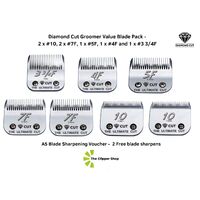
10% OFF
RRP $403.55
Make 4 interest-free payments of $90.89 fortnightly and receive your order now.
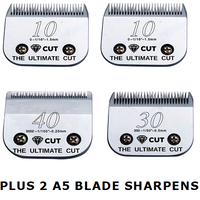
16% OFF
RRP $188.60
Make 4 interest-free payments of $39.65 fortnightly and receive your order now.
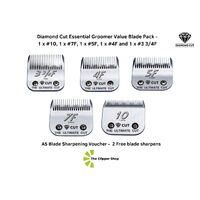
7% OFF
RRP $299.80
Make 4 interest-free payments of $69.95 fortnightly and receive your order now.
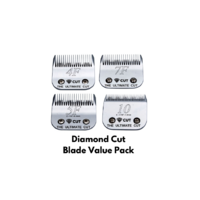
12% OFF
RRP $226.40
Make 4 interest-free payments of $49.60 fortnightly and receive your order now.
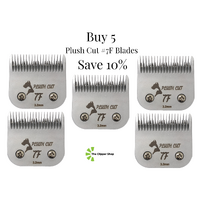
10% OFF
RRP $184.50
Make 4 interest-free payments of $41.51 fortnightly and receive your order now.
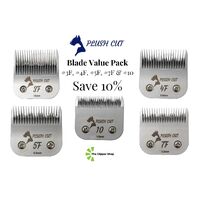
10% OFF
RRP $202.50
Make 4 interest-free payments of $45.50 fortnightly and receive your order now.


Add your favourites to cart

Select Afterpay at checkout

Log into or create your Afterpay account, with instant approval decision

Your purchase will be split into 4 payments, payable every 2 weeks
All you need to apply is to have a debit or credit card, to be over 18 years of age, and to be a resident of country offering Afterpay
Late fees and additional eligibility criteria apply. The first payment may be due at the time of purchase
For complete terms visit afterpay.com/terms